Traditional Dutch Clothing: A Clear Guide to Classic Dutch Dress
Table of Contents
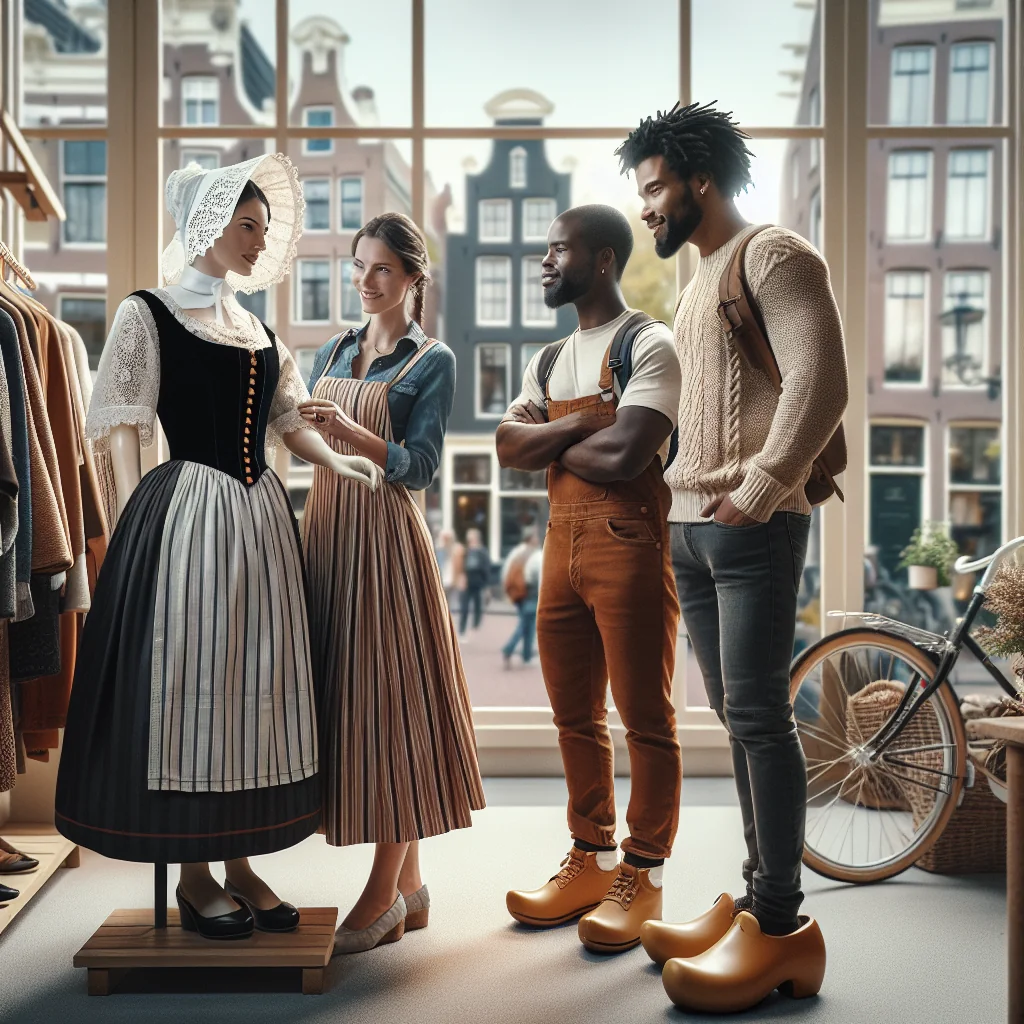

Traditional Dutch clothing is famous worldwide for wooden shoes, lace caps, and striped skirts. Yet the real story is much richer than the tourist image. Dutch people once wore many regional costumes, each with its own colors, shapes, and meaning. Today these outfits survive in festivals, museums, and a few daily customs.
This guide explains what traditional Dutch clothing is, how it developed, and what makes each region unique. You will learn the key parts of the outfits, the truth about clogs, and how much Dutch people still wear these clothes today.
What “Traditional Dutch Clothing” Actually Means
Traditional Dutch clothing refers to the folk costumes worn in the Netherlands from roughly the 17th to early 20th century. These were everyday clothes for farmers, fishers, and townspeople, not just special outfits for shows.
Over time, most Dutch people switched to modern European fashion. Regional dress slowly turned into festival wear, then into heritage and tourist symbols. Today, traditional clothing is part of Dutch cultural identity, even if most people never wear it.
Many people picture one “Dutch costume,” but there never was a single national outfit. Instead, each area had its own style, based on local religion, economy, and social rules.
Key Features That Define Traditional Dutch Clothing
While regional looks differed, traditional Dutch clothing shared some common features. These details help you recognize Dutch folk dress in paintings, museums, and photos.
- Layered garments: Multiple skirts, aprons, jackets, and shawls for warmth and modesty.
- Durable fabrics: Wool, linen, and later cotton, made to last in wet and windy weather.
- Distinct headwear: Lace caps, bonnets, and metal headpieces that showed region and faith.
- Practical footwear: Leather shoes or wooden clogs for work on farms and in fields.
- Symbolic colors and patterns: Stripes, checks, and dark tones, often linked to religion or social rules.
- Clear signs of status: Finer fabrics and extra jewelry for richer families or special events.
These shared traits created a “Dutch” look, even though details changed from village to village. Artists used these features to show region, religion, and class in their paintings and prints.
Iconic Women’s Traditional Dutch Clothing
Women’s traditional Dutch clothing is the image most people know: a fitted bodice, full skirt, apron, and white cap. Yet each region used its own cuts and details. Many outfits also changed through life events such as marriage or mourning.
Common Elements of Women’s Outfits
Across the Netherlands, women’s folk dress followed a similar basic structure. The exact shape and decoration varied, but the main pieces were shared.
A typical traditional Dutch outfit for women included a long skirt, often with extra petticoats, to give volume and warmth. An apron protected the skirt and could add color or show status. A bodice or fitted jacket shaped the upper body, worn over a blouse or chemise. A shawl or kerchief covered the shoulders or chest, especially in Protestant areas that valued modesty.
The most striking part was the headwear. Lace caps, bonnets, and sometimes metal frames around the head showed the woman’s region, age, and faith. In some places, jewelry and gold pieces on the cap signaled wealth.
Men’s Traditional Dutch Clothing and Workwear
Men’s traditional Dutch clothing was more uniform and practical. The focus was on work: fishing, farming, trading, and crafts. Still, regional styles appeared in cuts, hats, and colors.
Many men wore wide trousers or “breeches,” often in dark wool. In fishing villages, these could be very baggy, allowing movement on boats. A simple shirt, usually in white or stripes, sat under a vest or short jacket. In some regions, men added a neckerchief for warmth and style.
Headwear varied from flat caps to round hats. Clogs or leather shoes finished the outfit. On Sundays or special days, men wore cleaner, darker versions of their work clothes, sometimes with a longer coat and better fabrics.
Regional Styles of Traditional Dutch Clothing
The Netherlands had many regional costumes, but a few became especially well known. These outfits often appear in postcards, museums, and tourist photos. Each style reflects local economy and religion.
Volendam: The “Classic” Tourist Image
Volendam, a fishing village on the former Zuiderzee, shaped the global image of traditional Dutch clothing. Early photographers and painters liked the striking outfits and spread them worldwide.
Women in Volendam wore a striped blouse, dark skirt, and colorful apron, with a pointed white cap. The cap framed the face and stood up at the sides. Men wore wide dark trousers, a short dark jacket, and often a black cap. Many modern “Dutch girl” costumes copy this Volendam style.
Marken: Layered Skirts and Bold Patterns
Marken, another former island, had one of the most complex traditional costumes. Women’s clothing used many layers and bright colors, with striped and floral fabrics combined.
The outfit changed with age and life events. Children, unmarried women, married women, and widows all had specific versions. This made Marken a favorite subject for ethnographic photos and museum displays.
Zeeland: Lace Caps and Gold Headpieces
In the southwestern province of Zeeland, traditional clothing featured striking lace caps and sometimes metal headpieces. The caps could be wide and flat or tall and curved, depending on the sub-region.
In some areas, women wore gold or silver plates near the temples under the cap. These pieces showed wealth and were passed down in families. Dark dresses, aprons, and shawls reflected the strong Calvinist tradition in many Zeeland communities.
Comparing Major Regional Dutch Costumes
To see how regional outfits differed, it helps to compare a few famous styles side by side. This overview highlights the main visual clues you can look for in photos and museum displays.
The table below summarizes key traits of three well-known traditional Dutch regional costumes, focusing on women’s and men’s outfits and the details that stand out.
| Region | Typical Women’s Outfit | Typical Men’s Outfit | Signature Details |
|---|---|---|---|
| Volendam | Striped blouse, dark skirt, bright apron, pointed white cap | Wide dark trousers, short dark jacket, black cap | High pointed cap, strong contrast between dark skirt and bright apron |
| Marken | Multiple layered skirts, bold stripes, floral fabrics, fitted bodice | Wide trousers, striped or plain shirt, dark vest | Many layers, busy patterns, strong red and blue tones |
| Zeeland | Dark dress, apron, lace cap, possible gold or silver headpieces | Dark suit-like outfit, hat or cap, often sober colors | Striking lace caps, visible metal plates near temples, modest dark base |
This comparison shows that there is no single “Dutch costume.” Instead, each region mixed similar basic pieces into very different looks, shaped by faith, work, and local taste.
Wooden Shoes and Other Dutch Clothing Myths
Many people link traditional Dutch clothing with wooden shoes and blue-and-white patterns. Some of this is true, but much comes from tourism and later marketing. Understanding the myths helps you see Dutch dress more clearly.
Did Everyone Wear Wooden Clogs?
Wooden shoes, or klompen, were common in rural areas, especially among farmers and workers. Clogs kept feet dry in wet fields and were cheap to replace. People often wore thick socks inside them.
However, not all Dutch people wore clogs all the time. In towns, many wore leather shoes, especially for Sunday or formal events. Today, clogs are more symbolic than practical, though some farmers and gardeners still use them.
Was All Traditional Dress Blue and White?
Blue and white patterns, like Delftware pottery, are strongly linked to Dutch culture. Some traditional Dutch clothing used blue stripes or checks, especially in workwear. Indigo dye was common and hard-wearing.
Still, folk costumes used many other colors: red, green, black, brown, and multicolored floral prints. Dark tones often signaled modesty or mourning, while brighter colors appeared in aprons, shawls, and children’s clothes.
Materials, Craft, and Decoration in Dutch Folk Dress
Traditional Dutch clothing was made to last and to be repaired. Most garments came from natural fibers that suited the damp, windy climate. Decoration was careful but usually practical.
Wool provided warmth for outer garments, skirts, and jackets. Linen and later cotton worked for shirts, undergarments, and caps. Many families spun and wove their own cloth or bought from local markets. Sewing and mending were everyday skills.
Decoration ranged from simple stripes and checks to fine lace and embroidery. In some Calvinist regions, decoration stayed modest. In Catholic or mixed areas, outfits could be richer, with more jewelry and brighter colors.
Traditional Dutch Clothing in Modern Dutch Life
Today, most Dutch people wear modern global fashion. Traditional Dutch clothing survives in specific places and events. Yet the costumes still shape how the Netherlands presents its culture to visitors.
Folk outfits appear in heritage villages and open-air museums that show daily life in past centuries. Local groups wear regional dress at festivals, parades, and folk dance events. Some older people in a few villages still keep parts of traditional clothing for Sundays or ceremonies, though this is rare.
For visitors, many shops sell simplified “Dutch” costumes. These outfits copy elements from Volendam, Marken, and Zeeland but are usually lighter and cheaper than real folk dress. Museums and cultural centers help explain the difference between these modern versions and historical clothing.
Step-by-Step: How to Explore Traditional Dutch Clothing Yourself
If you want to explore traditional Dutch clothing in more depth, you can follow a simple sequence. These steps help you move from general interest to a more informed view of regional dress.
Use the ordered steps below as a clear path: start with images, then move on to real garments and regional details, finishing with a critical view of tourist versions.
- Start with paintings and old photos to see how outfits looked in daily life.
- Visit at least one open-air museum that shows people in costume doing everyday tasks.
- Study original garments in museum displays, paying close attention to fabric and stitching.
- Compare headwear from different regions and note how caps change by age and status.
- Look at maps of the Netherlands and match each regional costume to its area.
- Read captions or descriptions to learn which parts were for work, Sunday, or mourning.
- Notice which details tourist costumes keep and which details they leave out.
By following these steps, you move past clichés and start to read traditional Dutch clothing as a source of information about work, faith, and community.
Why Traditional Dutch Clothing Still Matters
Traditional Dutch clothing offers more than a cute photo in wooden shoes. The costumes show how people worked, believed, and expressed identity in a small but diverse country. Each cap, stripe, and apron tells a story about climate, faith, and social rules.
Learning about these outfits helps you see past simple images and understand Dutch history in a richer way. Whether you visit the Netherlands or study from home, traditional Dutch clothing is a clear window into daily life in the past and a living part of Dutch culture today.