
Japan School Holidays: Seasons, Dates and What to Expect
Table of Contents
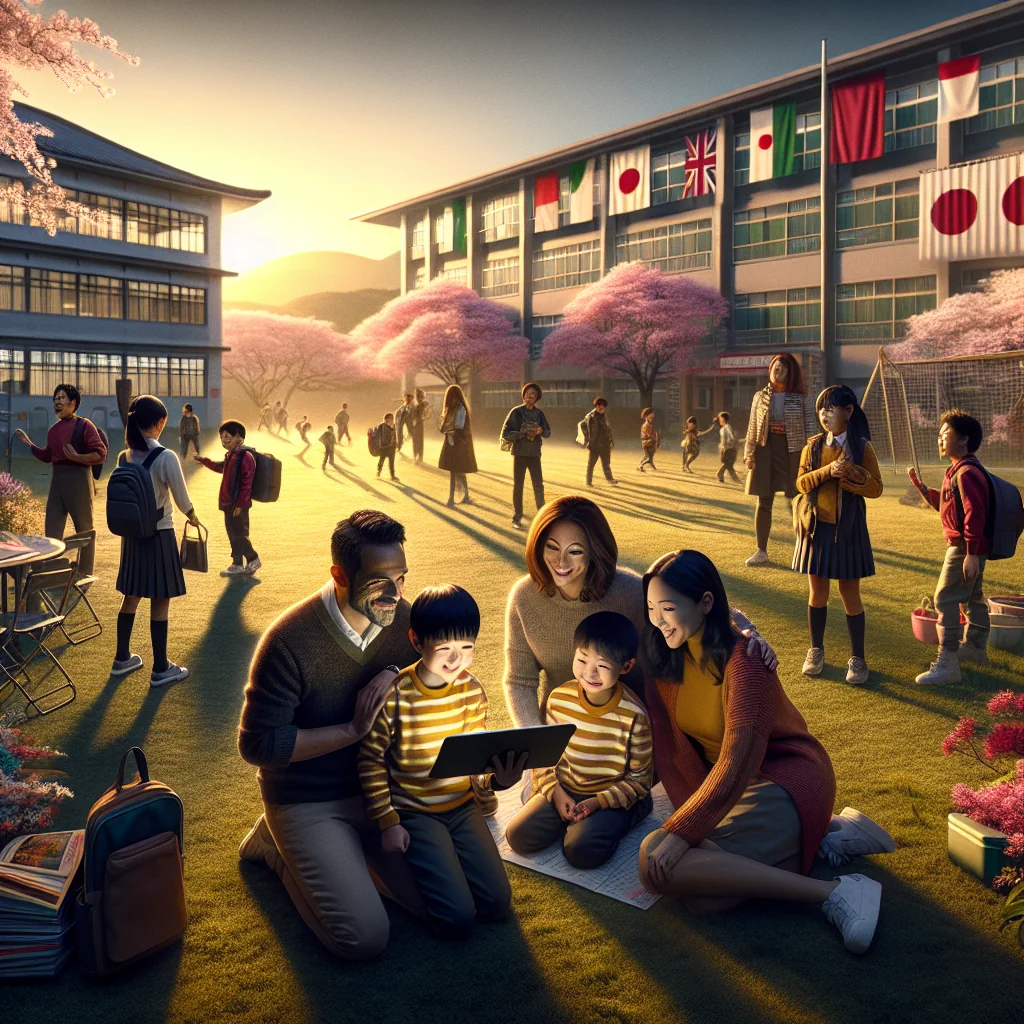

Japan school holidays follow a clear pattern that repeats every year, with three main breaks and several shorter pauses. Whether you are a parent in Japan, planning a trip, or just curious about student life, understanding this calendar helps a lot. This guide explains the main school holidays, how they link to Japanese culture, and what families usually do during each break.
How the Japanese school year is structured
Before looking at specific Japan school holidays, it helps to know how the school year is built. Most schools in Japan run on a three-term system, starting in April and ending the following March. This timing lines up with the start of the business year and the cherry blossom season.
Public elementary, junior high, and high schools usually share a similar pattern. Private schools may adjust dates slightly, but the basic structure stays the same. Universities and language schools often follow a different schedule, though they still have long breaks in summer and spring.
Because the school year starts in April, the main holidays fall between terms, not at the end of the calendar year. That can feel unusual if you are used to a September start.
Three-term calendar and typical school days
The three-term calendar divides the year into spring, summer, and winter terms with breaks in between. A typical school day runs from morning assembly to afternoon classes, followed by club activities. This rhythm shapes how students and families plan their time across the year.
Main Japan school holidays through the year
Japanese students enjoy three main holiday periods each year, plus shorter breaks around national events. Exact dates vary by region and by school, but the pattern is very stable. Below is an overview of the key holiday blocks you will see on almost every school calendar.
- Spring vacation (late March to early April): This break separates the school years. Students finish the old year, get results, then rest before the new year starts in April.
- Summer vacation (late July to late August or early September): The longest Japan school holiday. Students get several weeks off, but many still attend club activities or extra classes.
- Winter vacation (late December to early January): A shorter break that covers New Year, the most important family holiday in Japan.
- Golden Week gap days: Golden Week is a cluster of national holidays from late April to early May. Schools stay open on many days, but sometimes add short breaks or school trip days.
- Short breaks around public exams: Junior high and high schools often have short pauses around entrance exams or school tests, though these are usually only a day or two.
While these are the typical holidays, each board of education sets its own detailed calendar. Families usually get the full schedule from the school at the start of the year.
How dates can change by region
Local climate and regional customs can shift holiday dates slightly. Northern areas may start summer break a bit later, while some urban regions adjust for local events. Parents should always check the official calendar from their child’s school.
Spring vacation: ending and starting the school year
Spring vacation in Japan usually runs from late March to early April. This break marks the end of one grade and the start of the next. Graduation ceremonies for older students and closing ceremonies for other grades take place just before the holiday.
Many families use spring break to visit relatives, enjoy cherry blossom viewing, or prepare for new school supplies and uniforms. Students who will move to a new school, such as junior high or high school, may have orientation days near the end of the break.
Because the new school year starts in early April, travel prices can rise at the end of spring vacation. This period is also popular for domestic tourism, especially in famous cherry blossom spots.
Typical spring break activities for students
Students often balance rest with preparation during spring break. Younger children may attend short holiday programs, while older students review notes and organize materials for the next grade. Many families also take a final winter-to-spring outing before the new term begins.
Summer vacation: the longest Japan school holiday
Summer vacation is the main break in the Japanese school year. For most public schools, it starts in late July and ends in late August, though some regions extend into early September. Students enjoy a long pause from regular classes, but they still have school-related duties.
Almost all students receive summer homework, which can include worksheets, reading, independent research, and art projects. Many students also attend club activities, such as sports, music, or cultural clubs, several days a week. High school students may join summer courses or exam prep classes.
Families often travel during this break, especially around the Obon period in mid-August. Obon is a traditional time to return to family homes and visit ancestors’ graves. As a result, trains and highways can become very crowded in mid-August.
Balancing homework, clubs, and free time in summer
Summer homework often has clear deadlines spread across the break. Students who plan early can keep days open for club events and family trips. Many parents help children create simple study plans so the final week of summer is less stressful.
Winter vacation and New Year traditions
Winter vacation in Japan usually runs from late December to early January. This break is shorter than summer, but it covers an important cultural season. Schools close before New Year and reopen in the first half of January, depending on the region.
New Year, or Oshogatsu, is the biggest family holiday in Japan. Many families travel back to hometowns, visit shrines, and share special meals. Students often help with cleaning the house, preparing food, and joining family visits.
Students still receive homework over winter break, though usually less than in summer. Club activities may pause for a few days, then restart around the new year. For exam students, winter vacation is also a key study period before major entrance tests.
How schools restart after winter break
When winter vacation ends, schools often hold a brief opening ceremony. Teachers check homework, review basic material, and set goals for the final part of the school year. For older students, this period can feel intense because exams are close.
Japan school holidays and national public holidays
Japan has many national public holidays spread across the year. These holidays affect school schedules, but they do not always create long breaks. Instead, they often appear as single days off during a normal school week.
Major public holidays that affect schools include Coming of Age Day in January, Greenery Day and Children’s Day during Golden Week, Marine Day in summer, and Sports Day in autumn. On these days, schools close and students stay home, unless a special event has been scheduled.
Sometimes schools hold events like sports festivals or cultural festivals near these holidays. Families often attend these events, which are important parts of school life in Japan.
Golden Week and single-day school closures
Golden Week usually overlaps with regular class days, so schools rarely give the entire week off. Instead, classes pause only on the official holiday dates. Some schools may schedule school trips or exam days around this period to use the calendar efficiently.
Differences between elementary, junior high, and high school breaks
While Japan school holidays follow the same pattern, the experience changes as students grow older. The basic dates stay similar across elementary, junior high, and high school, but expectations shift. Older students usually face more homework, more club time, and more exam pressure.
Elementary school students often have more free time during holidays. Their homework is lighter, and club activities are less intense. Families may plan more leisure trips or day outings during these breaks.
Junior high and high school students, especially those in exam years, use holidays to study. Many attend cram schools, called juku, during summer and winter breaks. Club activities can also fill much of their free time, particularly for sports teams and music groups.
How holiday expectations grow with age
As students move through the system, holidays become more structured. High school students may have mock exams, training camps, or extra classes inside each break. Parents often adjust family travel plans so older children can still meet these school commitments.
How private schools and universities handle holidays
Private schools in Japan usually follow the same broad holiday pattern as public schools, but they may shift dates slightly. Some private schools start summer vacation a little earlier or end it a little later. Others add extra days for school events, overseas trips, or special study programs.
Universities often use a two-semester or quarter system, so their holiday dates differ more. University spring break can be quite long, often stretching from February to early April. Summer and winter breaks can also be longer than in primary and secondary schools.
Language schools and international schools may follow foreign calendars, such as an August or September start. In those cases, Japan school holidays will differ from local public schools, though they still break around major Japanese holidays like New Year.
Checking calendars for non-standard school systems
Because private and international schools can choose their own schedules, parents should confirm dates early. Many schools share a yearly calendar before enrollment so families can compare options. This is especially helpful if siblings attend different types of schools.
Planning travel around Japan school holidays
If you are planning travel, either as a resident or visitor, Japan school holidays affect crowds and prices. Trains, buses, and tourist spots get busier when students and families are free. Understanding the basic pattern helps you choose quieter dates or join the local holiday mood.
Spring break, Obon in mid-August, and New Year are the three peak domestic travel times. Golden Week, even though not a school holiday in full, is also very crowded because working adults have days off. If you prefer fewer crowds, aim for early July, late May, or late January.
Families with children in Japanese schools need to plan trips within the set holiday windows. Schools are strict about attendance, and extended absences during term time can be difficult to arrange. Most parents use summer and winter holidays for longer trips.
Simple planning steps for parents and visitors
To make the most of Japan school holidays, a few clear steps help a lot. The list below gives an easy process you can follow each year.
- Check the official school calendar as soon as it is released.
- Mark spring, summer, and winter vacation dates on your own calendar.
- Note peak travel periods such as Obon, New Year, and Golden Week.
- Decide which break suits longer trips and which suits short outings.
- Book transport and hotels early for busy periods to avoid higher prices.
- Plan time for homework and club activities inside each holiday.
- Review plans with older children so they can manage study and rest.
Following these steps keeps holidays more relaxed and reduces last-minute stress. Both families and visitors can enjoy Japan’s seasonal events while still respecting school schedules.
Typical yearly rhythm of Japan school holidays
To bring everything together, here is a simple view of how holidays shape the school year. Exact dates change each year and by region, but this pattern gives a useful reference for planning.
Typical pattern of Japan school holidays through the academic year:
| Month | School status | Notes on holidays |
|---|---|---|
| March | Classes then spring vacation | Graduation and closing ceremonies before break |
| April | Spring vacation then new term | Start of school year and entrance ceremonies |
| Late July–August | Summer vacation | Longest break; Obon travel in mid-August |
| September–November | Regular classes | Sports and cultural festivals; single-day holidays |
| Late December–early January | Winter vacation | New Year holiday and family gatherings |
| January–February | Regular classes | Entrance exam season for older students |
This rhythm repeats every year, giving families and students a clear cycle of study and rest. While details shift, the three major Japan school holidays stay stable, which makes long-term planning easier.