French Christmas Traditions: How France Celebrates the Festive Season
Table of Contents
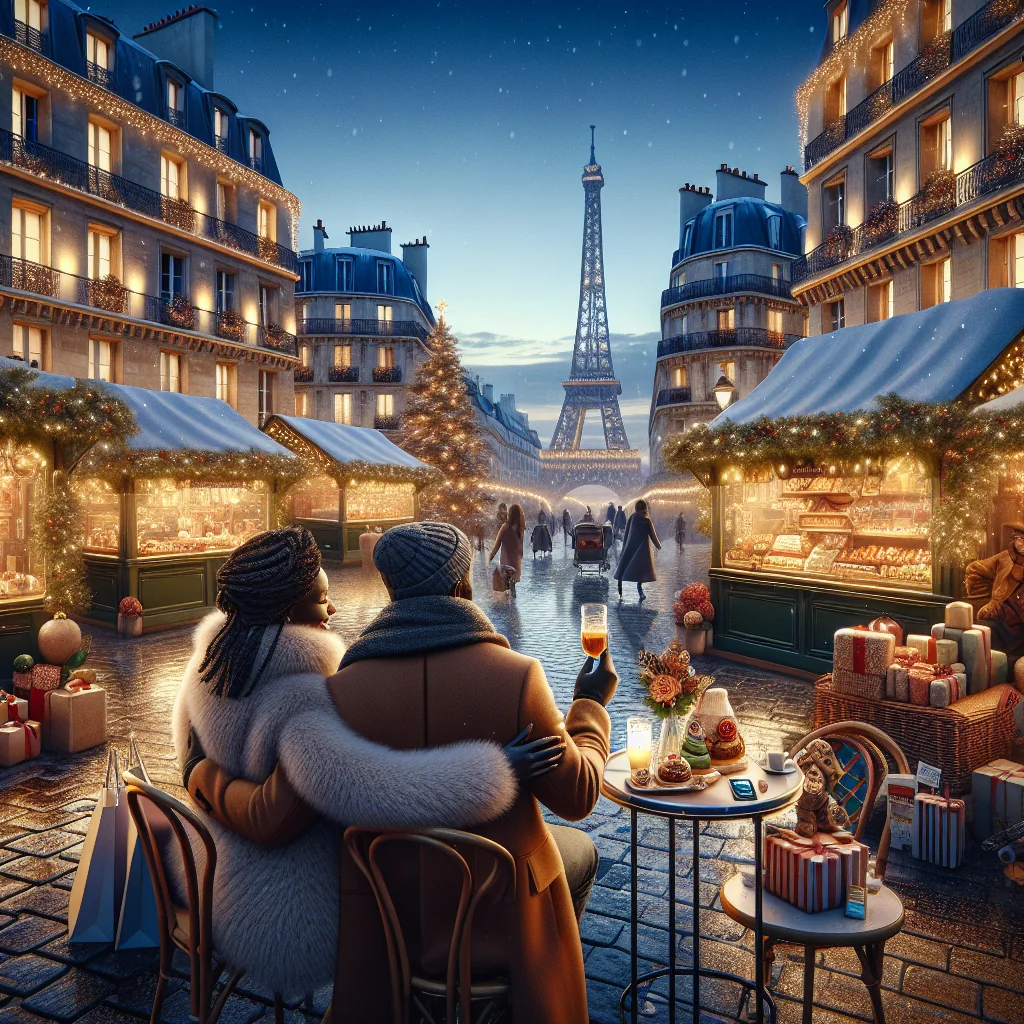

French Christmas traditions mix old Catholic customs, regional folklore, and modern family habits.
If you know only Christmas trees and Santa, French celebrations will feel both familiar and new.
From midnight mass to the famous bûche de Noël, each part of Christmas in France has a story.
This guide explains the main French Christmas traditions in a clear way.
You will see how French families prepare for Christmas, what they eat, how they decorate, and how children celebrate.
You can use these ideas to understand French culture or to add a French touch to your own holidays.
Advent in France: Calendars, Wreaths and Quiet Preparation
The French Christmas season usually starts with Advent, the four weeks before Christmas.
The focus is on quiet preparation rather than big parties, especially in more traditional families.
Advent calendars and wreaths in French homes
Many homes use an Advent calendar, called a calendrier de l’Avent.
Children open one window or box each day from 1–24 December, often finding chocolate or a small toy.
Some families also make an Advent wreath, the couronne de l’Avent, with four candles for the four Sundays.
In some regions, Advent is also a time to put up the nativity scene and start Christmas baking.
People may attend special church services, but for many French families the main religious focus comes closer to Christmas Eve.
Christmas Markets and Street Atmosphere
In December, French cities and towns light up with Christmas markets, or marchés de Noël.
These markets create much of the seasonal mood and are a key part of French Christmas traditions.
What you find at a French Christmas market
Stalls sell regional food, hot drinks and handmade gifts.
You might find spiced wine, gingerbread, sausages, cheese, and local crafts.
In Alsace and eastern France, German influence is strong, so markets often feel similar to those in Germany.
Streets and town squares are decorated with lights, garlands and large Christmas trees.
Many cities also set up ice rinks or host concerts and choirs, which add to the festive feel without being very commercial.
Nativity Scenes and the Special Santons of Provence
Nativity scenes, or crèches de Noël, are a classic part of French Christmas decor.
Almost every church and many homes display some form of nativity, often from early December.
How santons turn the nativity into village life
In Provence, the nativity tradition is especially rich.
Families collect small clay figures called santons, which show not only Mary, Joseph and the baby Jesus, but also village characters.
You might see a baker, a fisherman, a shepherd, or a woman carrying lavender, all walking to the stable.
These santons turn the nativity into a picture of village life.
Many people pass down sets of figures through generations, and markets in Provence sell new santons every year.
Decorations: Trees, Shoes and Mistletoe
French Christmas decorations mix global symbols with local habits.
Many items will look familiar, but some details are very French.
From Christmas tree to shoes by the fire
The Christmas tree, or sapin de Noël, is common in French homes.
Families decorate trees with lights, glass balls, and sometimes real candles in more traditional settings.
Homes often use garlands, stars and paper decorations as well, but not always in an over-the-top way.
Instead of stockings, children place their shoes by the fireplace or under the tree.
During the night, Père Noël (Father Christmas) is said to fill the shoes with gifts and sweets.
Another older custom is hanging mistletoe, gui, for good luck in the new year, sometimes kept until Epiphany.
Réveillon: The Long Christmas Eve Feast
For many families, the heart of French Christmas traditions is the Christmas Eve meal, called le Réveillon.
The word comes from “to wake up”, because the feast often runs late into the night.
How French families organize Réveillon
Réveillon is usually a long, multi-course dinner shared with close family.
The menu changes by region, but the idea is the same: rich food, good wine, and time together.
Some families eat early, others start late after midnight mass.
The meal can last several hours, with breaks between courses.
Many families keep certain dishes as a tradition, repeating them year after year, which gives a strong sense of continuity.
Classic Foods on the French Christmas Table
Christmas food in France is varied, but some dishes appear often.
These foods help define what people think of as a “real” French Christmas.
Key dishes that shape the festive menu
- Foie gras: Served on toast or brioche, often with onion jam or fig.
- Oysters (huîtres): Very popular, especially in coastal and urban areas.
- Smoked salmon: Served as a starter on blinis or toast.
- Roast bird: Turkey, capon, goose or duck, often with chestnut stuffing.
- Seafood platters: In some regions, shellfish and fish replace roast meat.
- Cheese course: Several cheeses with bread, sometimes salad, before dessert.
- Bûche de Noël: A log-shaped cake that is the star dessert.
The exact menu depends on budget, region and personal taste, but these staples appear in supermarkets and bakeries across France each December.
Even families who do not cook much during the year often make an effort for this meal.
Bûche de Noël and Other Sweet Traditions
Dessert plays a key role in French Christmas traditions, and the most famous sweet is the bûche de Noël.
This cake looks like a wooden log and recalls the old custom of burning a special log in the fireplace.
French Christmas desserts beyond the log cake
A classic bûche is a rolled sponge cake filled with cream and covered in chocolate buttercream.
Today, pastry chefs also create frozen versions, fruit flavors, and very modern designs.
The cake is often decorated with meringue mushrooms, sugar holly, and tiny plastic figurines.
In Provence, another dessert tradition is famous: the “thirteen desserts” served after Réveillon.
These usually include dried fruits, nuts, nougat, fresh fruit and sweet breads.
The exact list varies, but the idea is abundance and sharing rather than heavy cakes.
Père Noël, Saint Nicolas and Gifts for Children
French children know Père Noël as the main gift-bringer.
He is similar to Santa Claus, but the traditions around him have local twists.
How and when French children receive presents
Children usually receive their main presents either late on Christmas Eve or on Christmas morning.
They leave their shoes by the fireplace or under the tree, sometimes with a carrot for Père Noël’s donkey.
In some homes, gifts “appear” while the family is at midnight mass.
In eastern and northern France, Saint Nicolas is also important.
On 6 December, children may receive small gifts and sweets from Saint Nicolas, while a scary figure called Père Fouettard is said to punish bad behavior.
This custom is strong in regions close to Belgium, Germany and Luxembourg.
Midnight Mass and Religious Traditions
For Catholic families, midnight mass, or messe de minuit, remains a key part of Christmas.
Many people who do not attend church often still go on this night.
The role of church services at Christmas
Churches are usually decorated with lights, a nativity scene and sometimes live music.
In some villages, the mass includes local songs or a small play by children.
After mass, families may return home for the later part of Réveillon or for dessert and hot drinks.
Even for less religious families, the idea of Christmas as a time for peace, family and reflection is strong.
Many people also use the holiday to visit older relatives or those who live alone.
Regional Differences in French Christmas Traditions
French Christmas traditions are not the same in every region.
Local history, climate and culture all shape how people celebrate.
How regions across France mark Christmas
In Alsace and Lorraine, German influence brings strong Christmas market culture, spiced biscuits, and Saint Nicolas.
In Provence, santons and the thirteen desserts stand out.
In Brittany and Normandy, seafood and coastal customs play a bigger role.
Overseas French regions, such as the Caribbean islands or Réunion, mix French customs with local music, food and weather.
The dates and the idea of family gathering stay the same, but the food on the table and the songs can be very different.
How to Add a French Touch to Your Own Christmas
You do not need to live in France to enjoy French Christmas traditions.
You can pick a few simple ideas and blend them into your own celebrations.
Simple steps to bring French style into your holiday
Start by choosing one or two elements that feel easy: an Advent calendar, a bûche de Noël, or the custom of placing shoes by the tree.
You can also serve a small French-style starter, like smoked salmon on toast or a cheese course before dessert.
If you enjoy crafts, try making a small nativity scene with local materials, or create paper “santons” that show people from your own town.
The goal is not to copy France exactly, but to borrow ideas that make your holiday feel richer and more meaningful.
Typical French Christmas Traditions at a Glance
The table below gives a quick view of the main French Christmas traditions, with timing and a short description for each custom.
| Tradition | Typical Date or Period | Main Features |
|---|---|---|
| Advent calendars and wreaths | 1–24 December | Daily treats for children, four candles for the four Sundays of Advent |
| Christmas markets | Late November to 24 December | Outdoor stalls with food, crafts, lights and music in town centers |
| Nativity scenes and santons | Early December to early January | Cribs in homes and churches, clay figures in Provence showing village life |
| Réveillon dinner | Evening of 24 December | Long family meal with several courses, often after or before midnight mass |
| Bûche de Noël and desserts | 24–25 December | Log-shaped cake across France, thirteen desserts in Provence |
| Presents from Père Noël | Night of 24 or morning of 25 December | Gifts placed in children’s shoes by the tree or fireplace |
| Saint Nicolas celebrations | 6 December | Gifts and sweets for children in eastern and northern regions |
Seeing the traditions side by side helps you understand how the French Christmas season stretches across several weeks, from Advent through to Christmas Day and beyond.
Checklist: Planning Your Own French-Inspired Christmas
If you want to follow several French customs at once, this simple ordered list can guide your planning from early December through Christmas Day.
Step-by-step plan for French-style celebrations
- Set up an Advent calendar and, if you like, an Advent wreath at the start of December.
- Visit a local Christmas market or create a small market corner at home with lights and treats.
- Arrange a nativity scene, adding figures gradually, and place baby Jesus in the crib on 24 December.
- Decorate a Christmas tree and prepare a space where children can leave their shoes.
- Plan a Réveillon menu with a starter, main dish, cheese course and dessert such as bûche de Noël.
- Decide whether you will attend a church service or have a quiet moment of reflection at home.
- Place gifts in children’s shoes late on Christmas Eve or early on Christmas morning.
You can follow every step or just pick a few that suit your family; even one or two of these ideas will give your celebrations a clear French flavor.