French Christmas Traditions: How France Celebrates Noël
Table of Contents
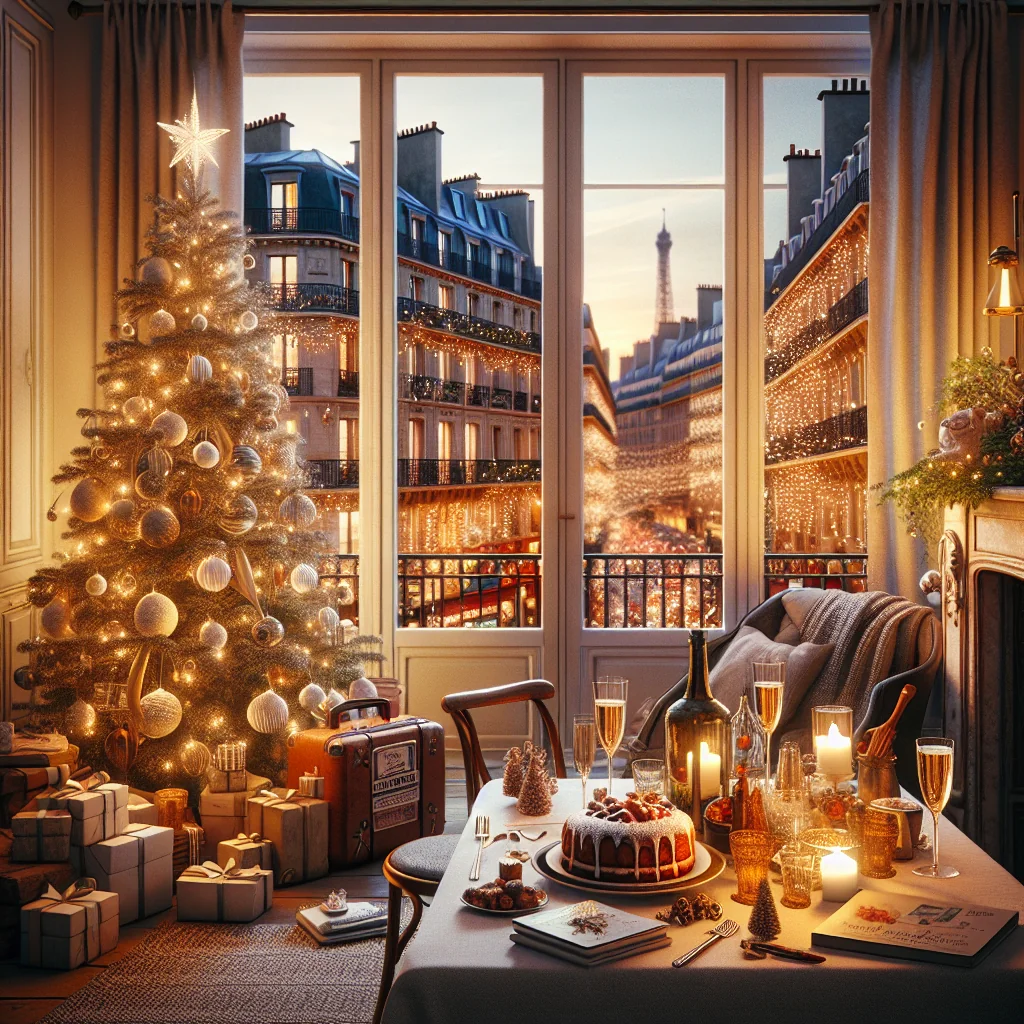

French Christmas traditions mix Catholic heritage, regional customs and modern family rituals.
If you want to understand how France celebrates Noël, you need to look at the whole season, not just Christmas Day.
From Advent wreaths and Christmas markets to the famous Yule log cake and Epiphany galette, each step has its own meaning and mood.
How the Christmas season unfolds in France
In France, Christmas is a season that runs from late November to early January.
Many traditions come from Catholic practice, but today both religious and non-religious families enjoy them.
The pace feels slower than in some countries, with more focus on meals and time together than on gifts.
The main stages of a French Christmas
The main stages of French Christmas traditions are Advent, Christmas Eve, Christmas Day and Epiphany.
Each stage has its own food, decorations and customs, and many families pick and choose which ones they keep.
Understanding this calendar helps you see why some events, like Christmas Eve dinner, matter more than others.
Advent and early December customs
The French Christmas season usually begins with Advent, the four weeks before Christmas.
Many families use an Advent calendar, especially with children, and some still prepare an Advent wreath with four candles.
These small rituals help build quiet excitement rather than fast shopping stress.
Saint Nicholas and the start of festivities
In eastern and northern France, Saint Nicholas Day on 6 December is another key date.
Children in regions like Alsace and Lorraine may receive sweets or small gifts from Saint Nicholas, sometimes chased by a darker figure, Père Fouettard, in old stories.
This early feast sets a festive tone long before Christmas Eve and marks the first real taste of holiday magic for many children.
Christmas markets and city decorations
French Christmas traditions also live in public spaces, especially in December.
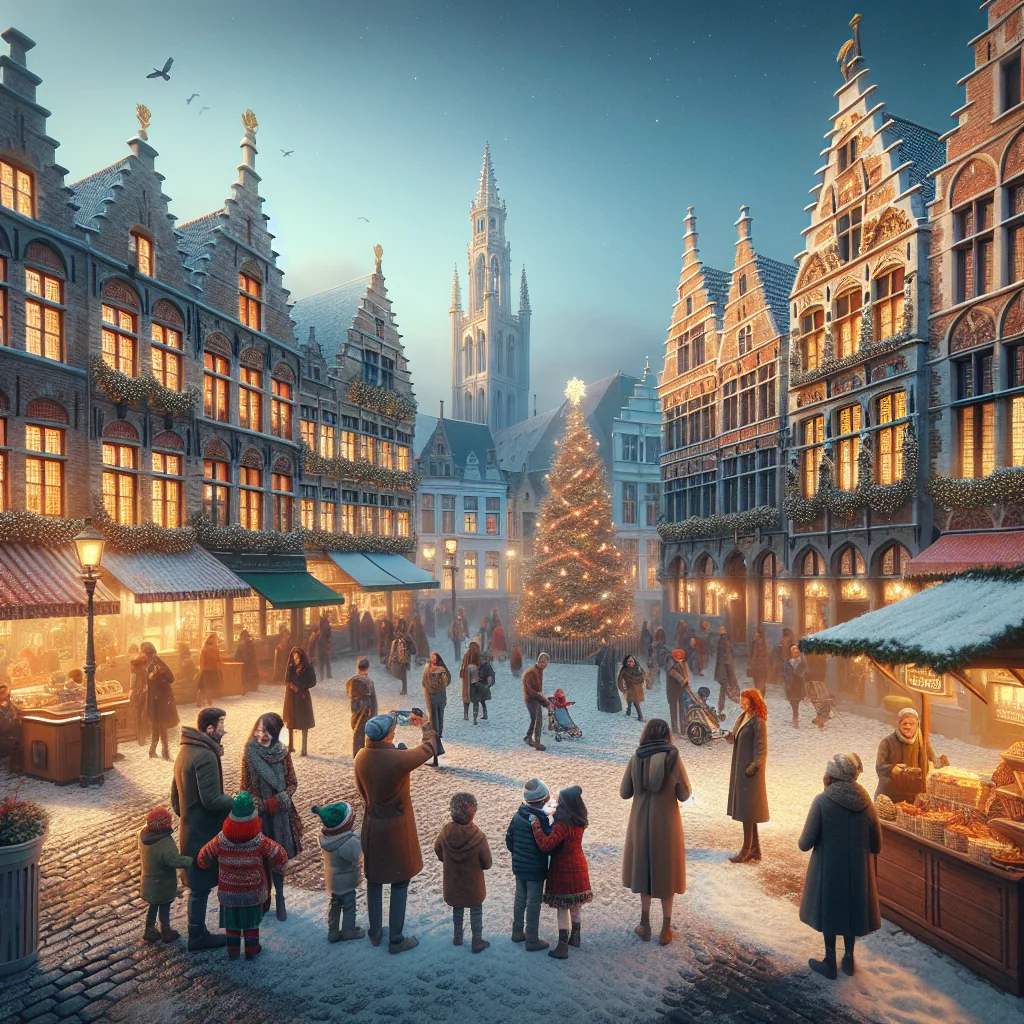
Many towns and cities host Christmas markets, called marchés de Noël, with lights, wooden stalls and seasonal food.
The most famous markets are in Alsace, but other regions now follow the same style.
Lights, stalls and winter treats
Cities decorate streets and main squares with lights and large trees.
Shop windows in Paris and other big cities become moving displays with animated figures and snow scenes.
Even small villages often light their churches and main streets, giving December evenings a warm, shared feeling and drawing people outside despite the cold.
Nativity scenes and the art of the crèche
One of the most rooted French Christmas traditions is the nativity scene, called the crèche.
Many homes and churches set up a crèche with Mary, Joseph, the baby Jesus, shepherds and the Magi.
In some families, the figure of baby Jesus is placed in the manger only on Christmas Eve.
Santons and local characters in Provence
In Provence, the crèche is a form of folk art.
Families add small clay figures called santons that show village characters: the baker, the fisherman, the priest, children, old couples and more.
This makes the Christmas story feel close to daily life and local culture, and many families collect new figures year after year.
French Christmas traditions at home
Inside French homes, Christmas decor is usually simple and elegant.
Many families have a Christmas tree, called the sapin de Noël, decorated with lights, baubles and sometimes tinsel or homemade ornaments.
The tree often goes up in early or mid-December and stays until early January.
Tree, candles and cozy details
Some homes also use candles in windows, wreaths on doors and stars or angels as symbols.
In older houses with fireplaces, you may still see stockings or shoes placed near the fire, though this is less common than in English-speaking countries.
The focus tends to be on warm light and natural materials rather than very bright colors or noisy displays.
Christmas Eve: Réveillon and midnight mass
The heart of French Christmas traditions is Christmas Eve, called le Réveillon de Noël.
Réveillon means “waking up”, because people used to stay awake late into the night for a long meal and midnight mass.
Even today, many families see Christmas Eve dinner as the most important celebration of the season.
Typical Réveillon menu and timing
The Réveillon menu is usually rich and festive.
Common dishes include oysters, smoked salmon, foie gras, roast poultry such as turkey or capon, and fine cheeses.
Champagne or sparkling wine often opens the meal, followed by white and red wines paired with the food, and dessert arrives very late in the evening.
After dinner, some families still attend midnight mass, especially in smaller towns and villages.
Churches are often lit with candles and music, and the baby Jesus figure is placed in the crèche during the service.
Even non-regular churchgoers may attend for the special atmosphere and sense of community.
Gifts, Père Noël and children’s rituals
In France, Père Noël, or Father Christmas, brings gifts to children.
His image is close to Santa Claus, with a red suit and white beard, and he often appears in shops and markets in December.
Children write letters to Père Noël, and in France these letters can receive a reply card from a special postal service.
Shoes by the fire and gift opening
Children usually leave their shoes by the tree or fireplace on Christmas Eve.
Père Noël fills the shoes with small presents, chocolates and clementines, and larger gifts are placed nearby.
Most families open gifts either late on Christmas Eve or on Christmas morning, depending on local habit and the age of the children.
Festive foods that define French Christmas
Food is at the center of many French Christmas traditions.
While menus vary by region and budget, some dishes appear again and again on French tables.
These foods carry strong memories and often mark the difference between an ordinary meal and a true feast.
Classic dishes on the holiday table
Here are key foods that often appear in French Christmas celebrations:
- Foie gras – served on toast or brioche, often with fig or onion chutney.
- Oysters and seafood – especially in coastal regions and large cities.
- Smoked salmon – as a starter, sometimes with blinis or toast.
- Roast poultry or game – turkey, capon, goose or duck with rich sides.
- Cheese platter – a selection of regional cheeses with bread and sometimes salad.
- Bûche de Noël – the Yule log cake, often chocolate or coffee flavored.
- Regional sweets – such as the “13 desserts” in Provence or spice bread in Alsace.
These dishes can look very formal, but many families adapt them.
Some choose one or two special items and keep the rest simple, while others enjoy creating a full traditional menu.
The shared goal is a long, relaxed meal that feels different from daily life and brings everyone to the table.
The Yule log and other sweet traditions
The Bûche de Noël, or Yule log cake, is the classic French Christmas dessert.
The cake recalls the old custom of burning a large wooden log in the fireplace for good luck.
Today, pastry chefs turn that log into a rolled sponge cake filled with cream and covered in icing.
Flavors, shapes and modern twists
The bûche can be chocolate, coffee, vanilla, fruit or even ice cream based.
Decorations often include meringue mushrooms, sugar holly leaves and powdered sugar “snow”.
Families may buy a bûche from a bakery or make a simpler version at home, and some now choose lighter, frozen or individual mini logs.
Epiphany and the Galette des Rois
French Christmas traditions extend beyond 25 December and reach into January.
On 6 January, or the first Sunday of January in many places, people celebrate Epiphany with the Galette des Rois, the “King’s cake”.
This marks the visit of the Three Wise Men to the baby Jesus.
Hidden charm and the paper crown
The traditional galette in most of France is a round puff pastry cake filled with almond cream.
In southern France, a brioche crown with candied fruit is more common.
A small charm, called a fève, is hidden inside, and the person who finds it in their slice becomes “king” or “queen” for the day.
A child usually goes under the table and calls out who gets each slice, to keep the fève placement random.
The chosen king or queen wears a paper crown and often picks a partner to share the title.
This simple game keeps the festive mood alive after the main holiday has passed and gives families one last shared dessert.
Regional variations in French Christmas traditions
While some customs are shared across France, others are deeply regional.
These differences give French Christmas traditions their color and variety.
Food, music and even the figure who brings gifts can change from place to place.
How regions shape the celebration
In Alsace, German influence shows in gingerbread, mulled wine and strong Christmas markets.
In Provence, families may prepare the “13 desserts” on Christmas Eve, symbolizing Jesus and the twelve apostles.
In some eastern areas, Saint Nicholas remains very present, while in others Père Noël dominates and local cakes or biscuits mark the feast.
Comparing key French Christmas traditions
To see how the main French Christmas traditions fit together, it helps to compare their timing, focus and typical foods.
This overview can guide you if you want to bring a few French touches into your own holiday season.
Seasonal highlights at a glance
The table below summarizes major French Christmas moments and what defines each one.
| Stage | Typical Date | Main Focus | Common Traditions and Foods |
|---|---|---|---|
| Advent | Late November to 24 December | Preparation | Advent calendars, wreaths, first decorations, early markets |
| Saint Nicholas Day | 6 December | Children | Small gifts, sweets, regional parades in eastern France |
| Christmas Eve (Réveillon) | 24 December evening | Family meal | Seafood, foie gras, roast poultry, cheese, Bûche de Noël |
| Christmas Day | 25 December | Rest and visits | Lunch with relatives, games, leftover festive dishes |
| Epiphany | Early January | Sharing | Galette des Rois, fève, paper crown, coffee or cider |
Seeing the season as a series of stages shows why French Christmas feels long and rich.
The rhythm moves from quiet preparation to a peak on Christmas Eve, then eases into visits and Epiphany, rather than ending suddenly on 25 December.
Bringing French Christmas traditions into your own celebration
You do not need to live in France to enjoy French Christmas traditions.
Many customs adapt easily to other countries and cultures.
You can choose a few that fit your family and add them slowly over the years.
Simple steps to add a French touch
You can start with small changes and build a personal version of a French-style holiday.
The following ordered list shows one possible way to add new customs over a single season.
- Choose an Advent calendar or wreath to mark the weeks before Christmas.
- Visit a local market or fair and enjoy warm drinks and simple street food.
- Set up a small crèche or nativity scene near your tree or in the living room.
- Plan a later, longer Christmas Eve meal with one special French dish.
- Serve a cheese platter before dessert and try a Yule log style cake.
- In early January, share a “King’s cake” and crown whoever finds the charm.
You do not have to copy every detail to feel the French influence.
Even one or two of these ideas can bring a gentle French mood to your holidays, with more focus on shared meals, small rituals and time together than on piles of gifts.