
Belgium Christmas Traditions: A Guide to the Belgian Festive Season
Table of Contents
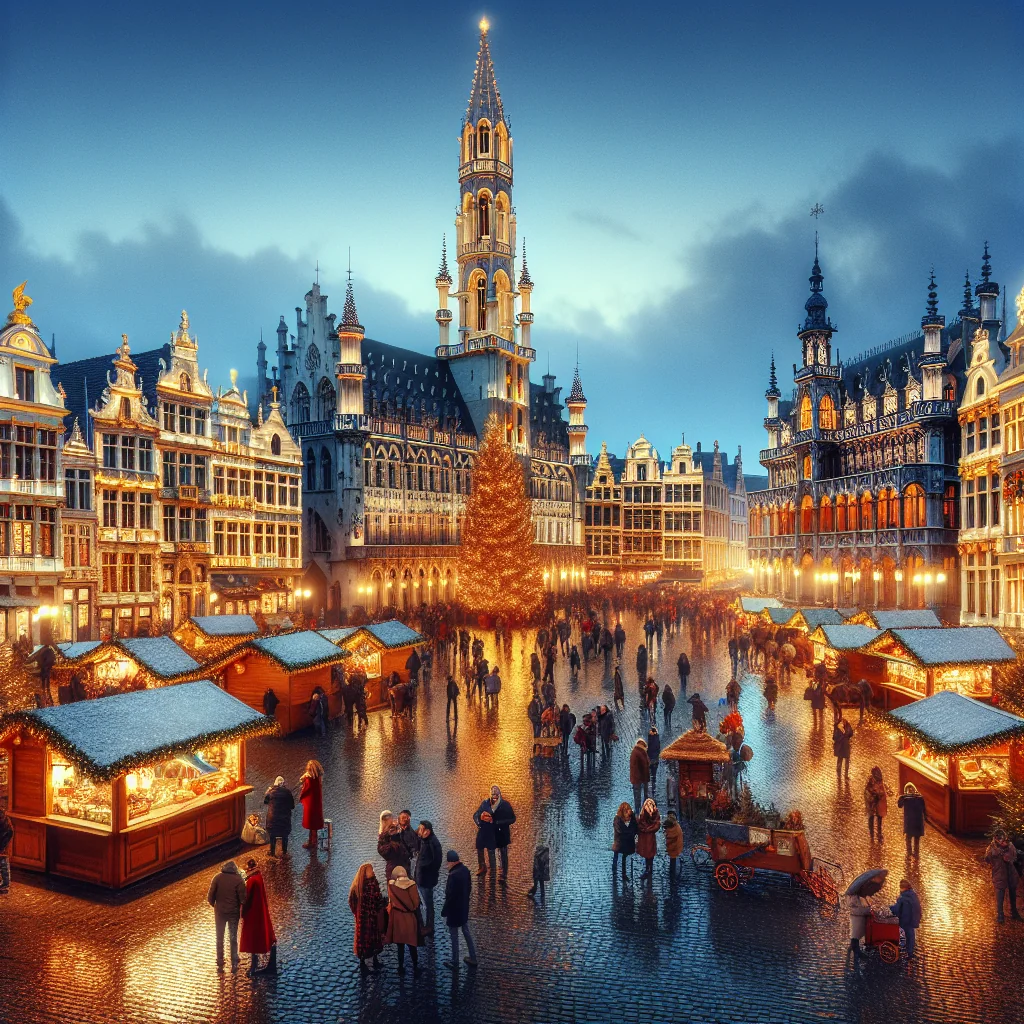

Belgium Christmas traditions mix Catholic customs, regional culture, and cosy winter habits.
The country celebrates both Saint Nicholas on 6 December and Christmas on 25 December, so the festive season feels long and full.
Whether you plan a trip to Belgium or just enjoy learning about winter holidays, this guide explains how Belgians mark Christmas in daily life.
How the Belgian Christmas Season Unfolds from December to New Year
In Belgium the Christmas period stretches from late November to early January.
Cities start hanging lights and opening Christmas markets around the end of November, and decorations stay up into the first week of January.
The key dates shape many Belgium Christmas traditions and give the season its rhythm.
Key festive dates in the Belgian winter calendar
The first highlight is Saint Nicholas Day on 6 December.
Christmas Eve and Christmas Day follow later in the month, then New Year’s Eve and New Year’s Day.
In some regions, children also celebrate Epiphany on 6 January, which closes the festive period for many families.
Saint Nicholas: The Start of Belgium’s Christmas Traditions
For Belgian children, the most exciting figure in December is Saint Nicholas, called Sinterklaas in Dutch and Saint-Nicolas in French.
He is seen as the patron saint of children and brings the main gifts long before Christmas Day.
His feast sets the tone for many Belgium Christmas traditions.
Letters, shoes and the night visit of Saint Nicholas
In late November children write letters to Saint Nicholas and list their wishes.
Some children place their letters in shoes at home, others send them by post.
Belgian postal services often reply with a printed letter or a small gift, which adds to the magic.
On the evening of 5 December, children place a shoe by the fireplace or near a window.
They leave a carrot or sugar cube for the saint’s horse and sometimes a drink for Saint Nicholas.
During the night, Saint Nicholas and his helper are said to visit and fill the shoes with gifts and sweets.
Gifts, Sweets and Characters Linked to Saint Nicholas
The gifts from Saint Nicholas are usually practical and modest.
Many children receive books, clothes, and a few toys, along with traditional sweets.
Families often keep the bigger or more expensive presents for this day rather than for Christmas.
Traditional Saint Nicholas treats and helpers
Typical Saint Nicholas treats include spiced biscuits shaped like the saint, chocolate figures, marzipan and mandarins.
Bakeries fill their windows with large sugar figures and gingerbread.
Schools and workplaces also share these treats, so the whole country tastes the season.
The helper of Saint Nicholas has different names and images in different regions, and there is debate around some of these older depictions.
In recent years, some cities and schools have chosen more neutral or modern versions of the helper.
The focus in most places now stays on the saint, the gifts and the shared joy for children.
Christmas Markets and Winter Festivals Across Belgium
Christmas markets are a central part of Belgium Christmas traditions and attract visitors from abroad.
Most large cities host a market or winter festival with wooden stalls, food stands, and seasonal activities.
These events usually run from late November until the end of December.
Major Belgian Christmas markets and their atmosphere
Brussels holds a big winter event known as “Winter Wonders”, which spreads across the city centre.
Antwerp, Bruges, Ghent, Liège and many smaller towns also set up markets with lights and decorations.
Each city adds local touches, but some features appear almost everywhere.
Typical attractions include ice rinks, Ferris wheels, light shows and sound-and-light displays on historic buildings.
Stalls sell handmade crafts, winter clothes, candles and Christmas ornaments.
Many Belgians visit these markets several times, meeting friends there after work or on weekends.
Food and Drinks That Warm Belgian Christmas Markets
Belgian Christmas markets are as much about taste as about lights.
Visitors gather around high tables, holding warm drinks while they chat.
The food reflects both local products and wider European winter snacks.
Popular snacks and drinks at Belgian Christmas markets
The list below shows some of the best-loved market treats that visitors seek out year after year.
- Glühwein or vin chaud (hot spiced wine)
- Hot chocolate made with Belgian chocolate
- Waffles and crêpes with sugar, chocolate or fruit
- Frites (fries) with sauces in paper cones
- Raclette or tartiflette in some French-speaking areas
- Grilled sausages and other street food
Many stands also sell local beers, seasonal brews and regional specialities.
The mix of cold air and hot food creates a cosy mood that many people now see as a key part of Belgian winter life.
Home Decorations and Nativity Scenes in Belgium
Belgian homes start to show Christmas decorations from early December.
Some families wait until after Saint Nicholas Day, while others decorate earlier.
The focus is on warm light, natural materials and a mix of modern and traditional elements.
Christmas trees, candles and cribs at home
Most families put up a Christmas tree, real or artificial, with lights and ornaments.
Candles, fairy lights and wreaths appear on windowsills and doors.
In some areas, people still place candles in the window on Christmas Eve to “welcome” Mary and Joseph.
Nativity scenes are common in churches and public squares, and many homes also have a small crib set.
Figures of Mary, Joseph, the baby Jesus, shepherds and animals stand in a stable scene.
Some families wait to place the baby Jesus figure until Christmas Eve or Christmas morning.
Religious Services and Spiritual Traditions at Christmas
Belgium has deep Catholic roots, so church services remain an important part of Christmas for many families.
Even people who attend church rarely during the year often go at Christmas.
The services help frame the holiday as more than just gifts and food.
Midnight Mass and Christmas Day church habits
Midnight Mass or late evening services on 24 December are common in towns and villages.
Churches are decorated with trees, lights and cribs, and choirs sing carols.
In some places, children or youth groups act out nativity plays.
On Christmas Day, many churches hold morning services.
After Mass, families often gather for a long meal at home or in a restaurant.
Religious and family traditions blend, and each household sets its own balance between them.
Traditional Belgian Christmas Foods and Festive Meals
Food is central to Belgium Christmas traditions, and many families plan their menus weeks ahead.
The main festive meal usually takes place on Christmas Eve or Christmas Day, depending on family habits.
Meals are often long, with several courses and plenty of conversation.
Starters, main courses and family favourites
There is no single national menu, but some dishes appear again and again.
Starters may include seafood such as shrimp, smoked salmon or oysters, especially in French-speaking families.
In other homes, soup or small savoury snacks start the meal.
For the main course, roast turkey, game, or roast beef are popular choices.
Many families also enjoy rabbit, stews, or other meat dishes served with potatoes and winter vegetables.
Sauces are rich, and Belgian beer or wine often accompanies the meal.
Sweet Treats: Bûche de Noël, Cougnou and Chocolate
Desserts give a clear view of Belgium’s regional Christmas traditions.
French-speaking areas often serve a bûche de Noël, a rolled sponge cake decorated like a log.
The cake comes in many flavours, from chocolate to chestnut or fruit.
Regional Christmas desserts and when Belgians eat them
In parts of Wallonia and Flanders, people eat a special sweet bread called cougnou or cougnolle, shaped like the baby Jesus.
Families enjoy this bread at breakfast or as a snack with coffee or hot chocolate.
Some versions include raisins or sugar pearls.
Belgian chocolate plays a clear role too.
Boxes of pralines appear on many tables, and people give them as gifts to hosts, colleagues and teachers.
Bakeries and chocolatiers create seasonal shapes such as stars, bells and Christmas trees.
New Year and Epiphany: The Festive Season’s Final Notes
The holiday mood in Belgium does not end on 25 December.
New Year’s Eve and New Year’s Day bring their own habits, and some families extend traditions to Epiphany on 6 January.
Together, these dates round off the Belgian winter season.
New Year letters, fireworks and Epiphany songs
On New Year’s Eve, many adults celebrate with parties, fireworks and festive drinks.
Children in some regions write decorated New Year’s letters to parents and godparents, which they read aloud on 1 January.
These letters often express thanks and wishes for the new year.
In a few areas, children still sing door to door on Epiphany, dressed as the Three Kings.
Families may share a “king cake” with a hidden charm; the person who finds it becomes “king” or “queen” for the day.
After this, most decorations come down, and daily life returns to normal.
Experiencing Belgium Christmas Traditions as a Visitor
Visitors can enjoy many Belgium Christmas traditions without speaking Dutch or French.
Christmas markets, public decorations and church services are open to everyone.
Simple gestures, like trying local sweets or greeting shopkeepers, help you feel part of the season.
Suggested plan for a festive weekend in Belgium
The steps below outline a simple way to enjoy a short Christmas break and sample key Belgian habits.
- Arrive on Friday afternoon and stroll through a city Christmas market.
- Warm up with hot chocolate or glühwein while watching the light displays.
- Spend Saturday visiting churches and nativity scenes in the old town.
- Taste local festive dishes in a traditional restaurant in the evening.
- On Sunday, shop for chocolate and small gifts before heading home.
If you travel to Belgium in December, expect short days, cold weather and cosy interiors.
Pack warm clothes for outdoor markets and ice rinks, and plan time for slow meals indoors.
Joining locals for a hot chocolate or glühwein under the lights can be as memorable as any big event.
Overview of Key Belgium Christmas Traditions
The table below sums up main Christmas and winter customs in Belgium, showing when they happen and who enjoys them most.
Summary table of Belgian festive customs and dates
This quick overview helps you see how Saint Nicholas, Christmas, New Year and Epiphany fit together in the Belgian calendar.
| Tradition | Typical Date or Period | Main Participants | Key Features |
|---|---|---|---|
| Saint Nicholas gifts | Evening 5 December / morning 6 December | Children and families | Shoes by the fire, letters, sweets and small presents |
| Christmas markets | Late November to late December | Locals and visitors | Stalls, ice rinks, lights, street food and drinks |
| Christmas Eve meal | Evening 24 December | Families and close friends | Long dinner, rich dishes, desserts and drinks |
| Midnight Mass | Night of 24 December | Churchgoers and choirs | Carols, nativity scenes, festive services |
| New Year letters | Morning 1 January | Children, parents, godparents | Decorated letters, thanks, wishes for the year |
| Epiphany songs and king cake | 6 January | Children and families in some regions | Songs, small gifts, cake with hidden charm |
Seen together, these customs show how Belgium stretches the festive season across many weeks.
From the early joy of Saint Nicholas to the final slice of king cake, Belgium Christmas traditions blend faith, food and winter comfort into one long, shared celebration.